How to Grind Coffee Beans
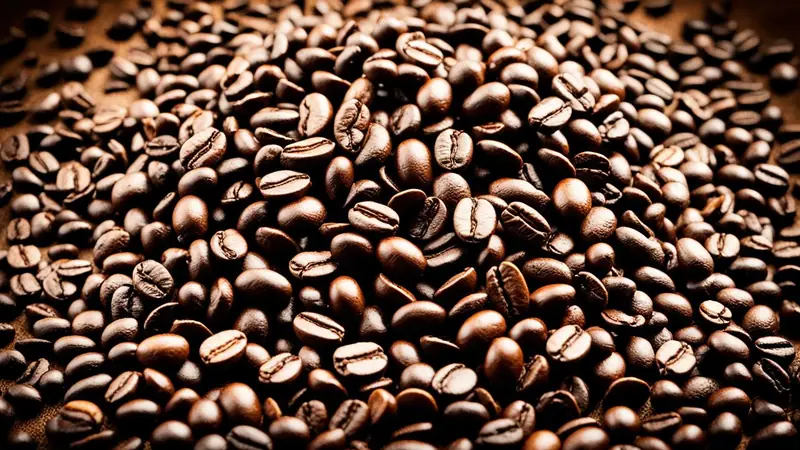
I’m an expert chef here to show you the best way to grind coffee beans. I want to ask you something first. Are you finding your coffee not as good as you want because the grind size is not consistent? If your answer is yes, keep reading.
I will walk you through why grinding coffee beans the right way matters. We’ll cover the different grind sizes and ways to grind. You can use a mortar and pestle, blender, rolling pin, or hammer. I’ll also talk about picking the perfect coffee grinder and solving common grinding problems. All this will help you make the best cup of coffee every time.
Key takeaways
- Proper coffee bean grinding is crucial for achieving optimal flavor extraction and brew strength.
- Understanding different grind sizes, from coarse to extra-fine, is essential for choosing the right method for your preferred brewing style.
- Explore various grinding techniques, such as using a mortar and pestle, blender, rolling pin, or hammer, to find the one that works best for you.
- Selecting the right coffee grinder, maintaining its cleanliness, and grinding just before brewing are essential best practices.
- Troubleshooting common grinding issues, like under-extraction and over-extraction, can help you consistently brew the perfect cup of coffee.
Importance of Proper Coffee Bean Grinding
Getting the right grind for your coffee beans is crucial. It helps get the best flavor out and the right strength in your cup. The size of the grind changes how much of the bean is in contact with the water. This affects the taste and how strong your coffee ends up being.
Impact on Flavor Extraction
The importance of coffee bean grinding shows in how it affects flavor extraction. By choosing the right grind size, you make sure water touches just enough of the bean. This brings out all the rich flavors and smells without leaving anything behind.
Role in Achieving Desired Brew Strength
The grind size is also key for the desired brew strength. Big grinds, like in French press, mean more time for flavors to mix. This gives you a strong and rich taste. But, small grinds for espresso get that strong flavor fast.
Knowing how to grind coffee well is vital for the best cup. It brings out perfect flavors and the right strength every time.
Understanding Grind Sizes
Getting the coffee grind size right is key to making an amazing cup of coffee. Different grind sizes are matched to specific brewing methods. Knowing the right grind size will make your coffee taste better.
Coarse Grind
A coarse grind, like big pieces, is best for French press, cold brew, and percolator. It lets the coffee brew a long time, making a strong taste. It stops the grounds from going through the filter, giving you a smooth and bold coffee.
Medium Grind
The medium grind, like sand, is good for drip coffee makers and vacuum brewers. It brews a mix of flavors perfectly. Many people use this grind daily because it works well in many different coffee makers.
Fine Grind
For espresso or electric drip coffee makers, a fine grind is needed. It makes a quick but full-flavored shot of coffee. This grind is essential for the creamy top layer and balanced sweetness of an espresso.
Extra Fine Grind
An extra-fine grind, almost like powder, is for Turkish coffee. Its long boil time brings out rich, layered flavors. The powder-like grind stays in the brew, giving you a strong and unique coffee.
Grinding Coffee Beans with a Mortar and Pestle
Grinding coffee beans by hand with a mortar and pestle is a historic way. It allows great control over the grind size and how even the grind is. You can make the coffee as coarse or as fine as you like. Plus, you get all the flavor and scent of the coffee. But, it takes time and some skill to get the grind just right.
Benefits and Drawbacks
The main plus of using a mortar and pestle is you control the grind size. You can grind coarse for a French press or fine for espresso. This method brings out all the coffee’s smell and taste. So, you get a richer, more complex coffee.
Yet, grinding this way takes time, especially for big batches. Plus, it’s a skill to grind evenly. If the grind isn’t even, the coffee may not brew well. This could make the coffee taste off.
Step-by-Step Guide
Here’s how to grind coffee with a mortar and pestle:
- Put the coffee beans in the mortar.
- Use the pestle to crush the beans with gentle circles.
- Grind in small amounts to keep it even.
- Push the coffee to the middle of the mortar as you go.
- Keep grinding until it’s the size you want, coarse or fine.
Follow these steps to make great ground coffee with a mortar and pestle. With practice, you’ll unlock the best from your coffee beans.
Using a Blender for Coffee Bean Grinding
When you don’t have a coffee grinder, using a blender can be a good option to grind beans. The blades in a blender can chop and grind the beans well. But, there are some things to watch out for.
Pros and Cons of the Blender Method
Using a blender to grind coffee beans works well because many homes have one. You can also get different sizes of grinds, from big to small, based on how you like your coffee or how you make it. But, there is a risk of the beans getting too hot. This might make your coffee taste too bitter.
Best Practices for Blender Grinding
When you use a blender, avoid making it too hot by blending in short bursts. This is called the pulse technique. Also, it helps to do it in small amounts and use a tall, narrow blender. This way, your coffee will have a more even texture.
With some care, a blender is a good substitute for a coffee grinder. By grinding beans the right way, you can keep the taste and smell of your coffee great. It’s a handy way to grind coffee beans if you don’t have a grinder.
The Rolling Pin Technique
The rolling pin method is a way to grind coffee beans without a grinder. You crush and grind the beans by using a rolling pin on a flat surface. To grind well, press evenly while rolling the pin over the beans.
This ensures a smooth and even rolling pin technique for grinding coffee. It’s key for making the best coffee.
Tips for Effective Rolling Pin Grinding
When using a rolling pin, here are some important steps. Always grind on a flat surface. Apply pressure evenly. Keep an eye on the bean size to change your grind.
By doing these things, you’ll grind coffee just right. You’ll get a tasty, consistent grind every time.
Grinding Coffee with a Hammer
An unusual way to grind coffee beans is using a hammer. First, put the beans in a bag or between paper. Then, hit them with a hammer, mallet, or meat tenderizer to crush.
Choosing the Right Hammer
For grinding coffee, the hammer’s head size and weight matter. A big, heavy hammer makes beans coarse. A small, light one makes them fine.
Step-by-Step Hammering Process
Grinding coffee with a hammer starts by crushing the beans. Next, hit them with the hammer gently yet firmly. This way, you get a grind perfect for French press or drip coffee.
Types of Coffee Grinders
When selecting the right coffee grinder, your choice has a big effect. It impacts both the quality and evenness of your grounds. Today, we’ll look at three kinds: blade grinders, burr grinders, and hand grinders.
Blade Grinders
Blade grinders are budget-friendly and widely used. They work by cutting the beans with a spinning blade. Although quick and easy to use, they tend to create an inconsistent grind. This can make it hard to get a steady flavor from your coffee.
Burr Grinders
Burr grinders are designed with two grinding surfaces. They crush the beans instead of cutting them. This crushing action helps maintain a more even grind. Hence, it’s favored by those who seek full control over their coffee’s flavor.
Hand Grinders
For those wanting to grind their coffee by hand, there are hand grinders. Even though they need more effort, they provide precision and are easy to carry around. Many coffee enthusiasts enjoy the intimate process of manually grinding their own beans.
how to grind coffee beans: Expert Tips and Best Practices
Being a pro chef, I’ve got some top tips for grinding coffee beans. The key is to keep your grinder clean. This stops any bad tastes from getting into your coffee.
Maintaining Grinder Cleanliness
Cleaning your grinder as the maker says is important. It keeps your coffee tasting right by avoiding any strange flavors or smells.
Grinding Just Before Brewing
Don’t grind your beans until right before you make your coffee. Doing this keeps your coffee fresh and full of smell and taste. Grinding them early makes the flavor fade pretty quickly.
Troubleshooting Common Grinding Issues
Even with the best techniques, you may face issues grinding coffee beans. Knowing and solving these problems helps make a great cup of coffee every time.
Resolving Under-Extraction
Sometimes, your coffee might taste sour or weak. This is called under-extraction. To fix this, try grinding your beans finer. It lets the beans mix better with the water when brewing, making the flavor better.
Addressing Over-Extraction
If your coffee is bitter or too strong, it’s over-extracted. In this case, use a coarser grind. A coarser grind means less time for water to touch the beans. This stops the bad flavors from forming.
Achieving Grind Consistency
Making sure your coffee grind is the same every time is key. If the grind size changes, your coffee’s flavor will too. Watch your grinding method and tweak your grinder to keep the grind consistent.
Understanding and fixing issues like under-extraction, over-extraction, and achieving grind consistency means you will make great coffee. Enjoy the tasty, rich flavors of your beans with these tips.
Factors Affecting Coffee Grinder Quality
A coffee grinder’s quality depends on a few main things. These include making the grind size the same every time. It also includes how long it lasts, how loud it is, and how easily you can set the grind size. Another critical point is how easy it is to clean.
Grinders must give the right grind size, whether you need big or small pieces, to make great coffee. They should not break easily, be too noisy, or hard to clean. Being able to change the grind and keep it clean helps make the coffee taste good every time you brew.
| Factor | Importance | Impact on Coffee Quality |
|---|---|---|
| Grind Size Consistency | High | Ensures even flavor extraction and desired brew strength |
| Durability | High | Maintains grinder performance and reliability over time |
| Noise Level | Medium | Contributes to overall user experience and convenience |
| Grind Setting Adjustability | High | Allows for customization to different brewing methods and personal preferences |
| Ease of Cleaning | High | Maintains grinder quality and coffee flavor |
Thinking about these points helps pick the right coffee grinder. It ensures your coffee tastes awesome every time you make it.
Alternative Methods for Grinding Without a Grinder
If you don’t have a coffee grinder, don’t worry. There are many ways to grind your beans without one. I talked about using a mortar and pestle, blender, rolling pin, and even a hammer. But you can also grind coffee with a knife or food processor.
Yes, these ways won’t be as perfect as a real grinder. But, they will get your coffee ready for brewing. Trying out these different methods is a cool way to make your coffee and have fun. It’s a good option when you can’t use your regular grinder.
Impact of Roast Levels on Coffee Grinding
The impact of roast levels on coffee grinding is key to making top-notch coffee. The beans’ roast level changes how easy they are to grind. This, in turn, impacts the coffee’s taste and texture when brewed.
Darker roasted beans are often more fragile and grind easily. This is because the roasting process at high heat weakens their structure. On the flip side, lighter roasts are harder to grind. They keep more of their original density and form.
Knowing about roast levels and grindability lets you tweak your grinding method. By adapting for the specific roast, you can get the best out of your beans. This ensures you always make a superb cup of coffee.
Conclusion
In wrapping up, getting the grind right when making coffee is super important. It really changes the taste and quality of your cup. Knowing how to grind well, learning about different sizes, and trying various methods can all make your coffee taste better.
Picking the best grinder, keeping it clean, and grinding close to when you make your coffee are key things to remember. These steps will make sure you enjoy the best coffee every time.
If you love coffee, these tips can really help you. They come from experts and are easy to follow. They will make your coffee experience amazing every day. Grinding your beans well can change everything about how you enjoy your coffee.
FAQ
What is the importance of proper coffee bean grinding?
Grind size is crucial for the best flavor and brew strength. How fine or coarse the beans are ground affects the water’s ability to pull flavor during brewing. If the grind size is the same, your coffee will taste better.
What are the different grind sizes and their suitable brewing methods?
Coarse grind suits French press, cold brew, and percolators, giving a rich taste. Medium grind is for drip makers and vacuum brewers, balancing the flavor. For espresso and drip makers, a fine grind is perfect. Extra-fine grind is just right for Turkish coffee.
How do I grind coffee beans using a mortar and pestle?
Crushing beans with a mortar and pestle gives you control over size. Place beans in the mortar and grind them with the pestle. Do this in small parts and move circularly for even grounds.
What are the pros and cons of using a blender to grind coffee beans?
Blenders are good alternatives for beans when you don’t have a grinder. Yet, they can make coffee bitter if they get too hot. Use the pulse mode and grind in short bursts for best results. Blenders might not grind as evenly as a grinder, though.
How can I use a rolling pin to grind coffee beans?
Use a rolling pin on a flat surface to grind beans. Roll it back and forth with pressure. This method gives a consistent grind for your coffee.
How do I use a hammer to grind coffee beans?
To grind with a hammer, put the beans in a sturdy bag. Hit them gently until they’re the right size. This method is good for French press or drip coffee.
What are the different types of coffee grinders and their key features?
Blade grinders chop beans but might be uneven. Burr grinders crush beans between two surfaces for a more even grind. Hand grinders give you control and are easy to carry but need more work.
What are some expert tips and best practices for grinding coffee beans?
Keep your grinder clean to avoid bad tastes. Clean it as the manual says to keep your coffee fresh. Also, always grind your beans right before brewing for the best flavor and smell.
What are some common grinding issues and how can they be addressed?
If your coffee tastes sour or weak, grind the beans finer. This exposes more of them to water. For bitter coffee, go for a coarser grind. Making sure your grounds are all the same size helps avoid these problems too.
What factors should I consider when choosing a coffee grinder?
A good grinder is consistent, tough, not too loud, easy to adjust, and clean. It should be able to make the right grind size for your coffee maker.
What alternative methods can I use to grind coffee beans without a dedicated grinder?
Besides the usual tools, you can grind beans with a knife or food processor. While not as good as a grinder, they can still get the job done for your coffee.
How does the roast level of coffee beans affect the grinding process?
Dark roasts are easier to grind because they’re more brittle. This is from the intense heat during roasting. Light roasts are harder, as they keep more structure.