How to Freeze Asparagus
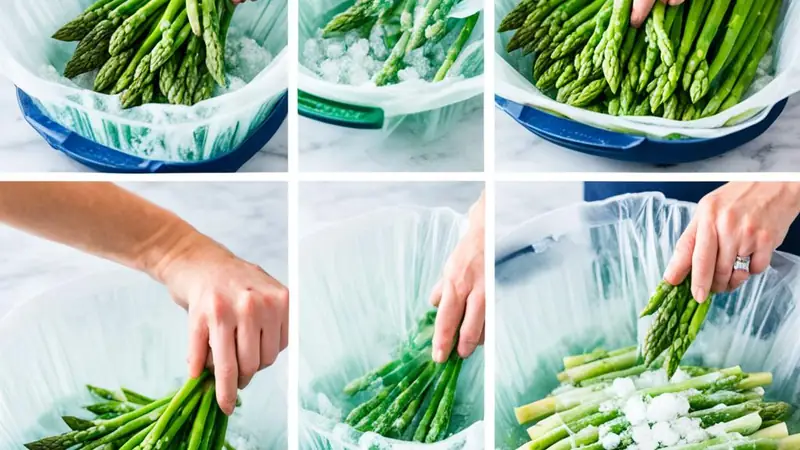
To freeze asparagus the right way, follow this guide from a chef. You’ll get all the tips and steps to keep asparagus fresh. This way, you can enjoy its taste any time of the year.
Key takeaways
- Freezing asparagus keeps it fresh for longer.
- Make sure to trim, wash, and blanch the asparagus before freezing it.
- Blanching keeps the color and texture by quickly cooking then cooling it.
- Put the asparagus in freezer bags or airtight containers to avoid freezer burn.
- For the best quality, freeze the asparagus in a single layer.
An expert chef shares how to freeze asparagus right. By following these steps, you can keep the fresh taste all year. With this guide, you’ll preserve the flavor and quality of your asparagus. It means you can enjoy this yummy veggie even in off-season times.
Why Freeze Asparagus?
Freezing asparagus is a great idea. It keeps the asparagus fresh when it’s not the season. This way, the asparagus you have doesn’t go to waste. Preserving asparagus is also very simple.
When you freeze asparagus, you’re saving it for later. This is perfect if you grow your own or find a good deal. Now, you can enjoy this tasty veggie all year, even in winter.
Freezing asparagus is smart for your wallet. It lets you buy a lot when it’s cheap or in season. Plus, you get to taste it at its best whenever you want.
As an added bonus, freezing asparagus is incredibly easy to do. With just a few simple steps, you can prolong the shelf life of this versatile vegetable, allowing you to savor its flavors and reap its nutritional benefits for months to come.
Now, you’ll have asparagus on hand for many dishes. From soups to quiches, it makes cooking easy. Why waste it? Freeze and enjoy spring’s taste year-round.
Benefits of Freezing Asparagus
- Preserves Freshness: Freezing helps asparagus keep its taste and nutrients.
- Convenient Storage: With it frozen, you can use asparagus whenever you want.
- Reduces Food Waste: Freezing keeps extra asparagus from being thrown away.
- Year-Round Availability: Enjoy asparagus even when not in season.
- Cost Savings: It’s cheaper to buy a lot and freeze than buying small amounts often.
Preparing Asparagus for Freezing
Before freezing asparagus, it’s vital to prep it right. By following these steps, you can keep your frozen asparagus tasting great.
- Trimming the ends: Start by removing the tough ends of the asparagus. You can snap each spear to find the sweet spot. Or use a knife to cut off about an inch.
- Washing the asparagus: Wash the asparagus with cool water to get rid of dirt. Rub them gently. Then dry them with a towel.
- Blanching the asparagus: Blanching keeps the flavor and texture. You quickly cook the asparagus in boiling water. Then, cool them in ice water to keep them fresh.
Blanching Technique:
- Boiling: Start by boiling a big pot of water. Add salt for flavor.
- Add the asparagus: Put the asparagus in the boiling water. They should be under the water.
- Cooking time: Boil for 2-3 minutes, longer if the asparagus is thick.
- Ice bath: Move the asparagus to ice water with a spoon or tongs. This keeps them green and crispy.
- Drain and pat dry: After a few minutes in the ice bath, dry the asparagus with a towel.
| Benefits of Blanching Asparagus |
|---|
| Preserves the flavor and texture of asparagus |
| Retains the vibrant green color of the spears |
| Helps maintain the crispness of the asparagus |
“Blanching is a crucial step in preserving the flavor and texture of asparagus. It involves briefly cooking the asparagus in boiling water and then immediately cooling it in an ice bath to stop the cooking process.”
By preparing and blanching asparagus correctly before freezing, you keep its great taste and look. This method avoids loss of flavor, texture, and color. So, you can savor the asparagus goodness even in off-season.
Blanching Asparagus
Blanching is crucial when you freeze asparagus. It keeps the color and texture by dipping it in boiling water and an ice bath. This method is key to keep the asparagus good after freezing.
It saves the green color and keeps it crunchy. Boiling the asparagus quickly stops the enzymes. Without this step, the asparagus would turn soft and lose its color in the freezer.
To blanch asparagus, cut off the hard ends first. Boil water in a big pot. Put the asparagus in the water and boil for 2-3 minutes. It should turn bright green and a bit soft.
After boiling, quickly put the asparagus in an ice bath. This chills it fast and stops the cooking process. The asparagus keeps its green color thanks to this step.
After a few minutes in the ice bath, take out the asparagus. Then, drain and dry it well with paper towels. Now, you can freeze the asparagus.
Blanching is an easy but important part of freezing asparagus. It keeps the color, flavor, and crunch. Enjoy tasty, green asparagus anytime, all thanks to blanching!
Packaging Asparagus for Freezing
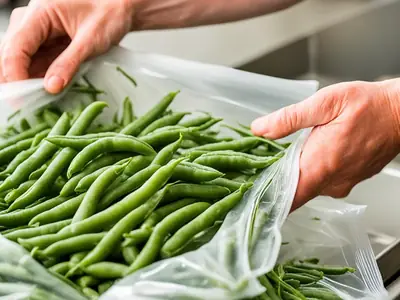
After blanching the asparagus, it’s time to freeze it. Good packaging is key to keep it fresh and avoid freezer burn. Two top choices for this are freezer bags and airtight containers.
Freezer bags work great and are budget-friendly. They keep moisture out to avoid freezer burn. Make sure to squash out all the air before sealing for the best results.
Make sure to label your freezer bags with the date of freezing to keep track of the freshness of your asparagus.
Airtight containers are also a good pick. They lock out air and moisture, which means the asparagus lasts longer. Pick containers meant for the freezer for the best outcome.
Always put the asparagus in its packaging in a single layer. This is to make sure it freezes throughout evenly. The goal is to keep its taste and texture just right.
Freezing Asparagus
Once your asparagus is packed well, it’s ready to freeze. This is key for saving it long-term and keeping its quality. Here’s how to freeze it the right way:
- Place the packaged asparagus in the freezer.
- Store the asparagus in a single layer to facilitate faster freezing.
- Make sure the asparagus is not overcrowded in the freezer, allowing for proper air circulation.
- Keep the temperature of your freezer at or below 0°F (-18°C) to preserve the freshness of the asparagus.
This method of freezing allows asparagus to last longer and stay tasty off-season. It’s a handy trick for having this veggie ready whenever you want.
“Freezing asparagus allows you to enjoy its farm-fresh taste all year round.”
– Sarah Adams, Expert Chef
Freezing asparagus right keeps its good-for-you stuff. So, your frozen asparagus will be both nutritious and delicious in your dishes.
With your asparagus safely stored, let’s talk about Thawing and Using Frozen Asparagus. You’ll find out the best way to thaw and use it in yummy recipes.
Thawing and Using Frozen Asparagus
Thawing frozen asparagus is key to making it taste right. It’s simple to do and brings back the asparagus’s natural snap. Here’s how to thaw it:
- Transfer the asparagus from the freezer to the refrigerator: Put the asparagus in a bag or container and move it to the fridge. Thawing slowly keeps the asparagus fresh and tasty.
- Allow the asparagus to thaw: It can take 4 to 12 hours to thaw, based on the thickness of the spears. Leave it in the fridge overnight or as long as the package says.
Once thawed, asparagus is great for your recipes. It’s as tasty and crispy as fresh, bringing its vibrant flavor to your dishes.
Here are some tasty ways to use thawed asparagus:
- Add it to salads: It adds a fresh green color and crunch to salads.
- Sauté or stir-fry: Cook it quickly in a pan with garlic and olive oil for a delicious side.
- Grill or roast: Grilling or roasting asparagus brings out its sweetness and smoky taste.
- Incorporate into pasta dishes: Mix with pasta, tomatoes, and cheese for an easy, tasty meal.
Just update your cooking times for thawed asparagus. It’s a great way to add nutrition and flavor to your food.
“Thawed asparagus is a great ingredient to have, bringing fresh asparagus flavor all year.” – Chef Elena Rodriguez
Tips for Freezing Asparagus
Freezing asparagus right can keep its taste, freshness, and quality. If you grow your own or buy it, these tips help. Your frozen asparagus will taste great anytime you use it.
Selecting Fresh Asparagus
Pick asparagus that is fresh and lively. Choose spears that are firm with tight tips. Make sure they are not limp or discolored. Good asparagus keeps its flavor and texture in the freezer.
Properly Cleaning and Trimming the Asparagus
Clean and trim the asparagus well before freezing. Wash it under cold water to get rid of dirt. Snap off the tough ends to keep it tender after freezing.
Choosing the Right Packaging Materials
Choosing the best bags or containers matters. Use those made for freezing food. They guard against frost and freezer burn, keeping the asparagus fresh.
Get rid of air in the package before sealing. It stops ice crystals and keeps the asparagus safe to eat.
Storage Recommendations
Keep the frozen asparagus at 0°F (-18°C) or lower. This keeps it frozen well and prevents spoilage.
Label the package with the freezing date. This helps you use it within the right time.
Don’t Forget to Blanch!
Blanching is key for asparagus. It helps keep its color, flavor, and texture. So, boil it for a bit, then cool it fast in ice water. This step keeps the asparagus tasting fresh.
| Freezing Tips | Prolonging Freshness | Maintaining Quality |
|---|---|---|
| Choose fresh asparagus | Properly clean and trim | Use appropriate packaging materials |
| Store at 0°F (-18°C) or below | Label with the date of freezing | Blanch before freezing |
Follow these tips for great frozen asparagus. Enjoy its excellent flavor and texture all year. Preparing for the off-season or just a year-round asparagus lover, these tips are for you.
How Long Can Frozen Asparagus Last?
Frozen asparagus can last a long time if you store it right. With the proper storage methods, you can make it last and stay fresh for a while. This lets you enjoy its goodness any time of the year.
Store frozen asparagus well and it can keep for up to a year. Make sure it freezes fast after being packed to keep its taste and quality. Don’t freeze asparagus that’s been in the fridge a long time; it might not be good anymore.
To keep asparagus well in the freezer, here’s what to do:
- Pick the best way to pack it: Use freezer bags or containers that close tight to avoid drying out or getting stale.
- Push out extra air: Get rid of all the air in the package before sealing it. This helps prevent freezer burn.
- Write what it is and when you froze it on the package: This helps you know what’s inside and when it’s time to use it.
- Keep it cold enough: Always store frozen asparagus at 0°F (-18°C) or colder to keep it tasting great.
Extending the Shelf Life of Frozen Asparagus
For the longest shelf life, store your frozen asparagus perfectly. Aim for a steady cold temperature to keep its quality high. Use the oldest packages first each time you cook to enjoy fresh asparagus.
With the right storage, frozen asparagus is handy to have for lots of tasty dishes. It’s a great way to enjoy this healthy veggie all year long.
| Storage Time | Quality |
|---|---|
| Up to 3 months | Good |
| 3 to 6 months | Acceptable |
| 6 to 9 months | Decreased quality |
| 9 to 12 months | Further decreased quality |
Other Methods for Preserving Asparagus
Freezing is not the only way to keep asparagus fresh. You can also pickle it for a unique taste year-round. Pickled asparagus has a tangy flavor that’s great for many meals.
Pickling asparagus brings out its crunch and a sour flavor that goes well with food. Here’s how to pickle your asparagus:
- Choose fresh and firm asparagus stalks.
- Wash them well to get rid of any dirt.
- Optional: Cut off the woody ends for better pickling.
- Mix vinegar, water, salt, and spices to make the brine. Dill, garlic, and red pepper work well.
- Boil the brine, then let it simmer to mix the flavors.
- Sterilize your canning jars by boiling them.
- Boil the asparagus for a short time, then cool them in an ice bath to keep their color.
- Put the asparagus in the jars, making sure they fit well.
- Fill the jars with the hot brine, and leave some space at the top.
- Wipe the jar rims clean before sealing them tight.
- Can the jars in a water bath, following the right steps for your area.
- Let the pickled asparagus sit for a few weeks to build its flavor.
After pickling, use your asparagus in many ways. It’s great with cheese, in salads, or by itself as a snack.
“Pickled asparagus brings great flavor to meals and is perfect when asparagus is not in season. Its tangy and crisp feel fits with many dishes, making it a versatile kitchen choice.”
Trying pickling lets you enjoy asparagus in fresh, new ways. Don’t just freeze it, pickle for tasty surprises!
Reheating Frozen Asparagus
Reheating frozen asparagus the right way keeps it from getting soggy. Finding the perfect way can be tough. But, I’ve got a method that makes it taste great and stay crisp.
Wrapping your asparagus in foil and putting it under the broiler does the trick. This way, it keeps its green color and gets that perfect crisp. The crunchy texture is key here.
Here’s the simple, yet effective, way to reheat your asparagus:
- Preheat your oven broiler to high.
- Remove the frozen asparagus from the packaging and place it on a piece of aluminum foil.
- Gently fold the foil, sealing the asparagus inside like a little package.
- Place the foil-wrapped asparagus on a baking sheet.
- Put the baking sheet with the asparagus under the broiler.
- Broil for 3-5 minutes, or until the asparagus is heated through and slightly browned.
- Remove the baking sheet from the oven and carefully unwrap the foil.
- Serve immediately and enjoy your perfectly reheated asparagus!
This method keeps your asparagus crisp and full of flavor. It makes sure your asparagus tastes as fresh as when you first got it. No limp veggies here.
If you’ve got frozen asparagus, try broiling it using this technique. It’s fast, easy, and keeps your asparagus looking and tasting great. Your mouth will be very happy with the results!
Delicious Recipes Using Frozen Asparagus
Frozen asparagus is great for many meals. You can use it in soups, salads, stir-fries, or quiches. It’s perfect for both quick dinners and fancy dishes. This veggie can be the main attraction.
1. Creamy Asparagus Soup
Make this soup for cold nights. Sauté onions and garlic, then add the asparagus and broth. Cook until the asparagus is soft. Blend it until smooth, then add cream and herbs. This soup is both easy and tasty.
2. Asparagus and Goat Cheese Salad
Enjoy this fresh salad with different textures. Mix greens, asparagus, tomatoes, goat cheese, and pine nuts. Add a lemon vinaigrette. It’s a flavorful and healthy dish.
3. Asparagus Stir-Fry with Garlic Shrimp
This stir-fry is quick and full of color. Cook asparagus, peppers, and peas with garlic and ginger. Then, add shrimp and sauce. Serve over rice for a filling meal.
4. Smoked Salmon and Asparagus Quiche
Make a tasty quiche with asparagus and salmon. First, bake a pie crust. Whisk eggs, cream, and spices. Add asparagus and salmon, then pour into the crust. Bake until it’s a golden and enjoy.
There are many ways to use frozen asparagus. Be creative and try new things. It will add color and fresh taste to your meals.
Conclusion
Freezing asparagus helps keep it fresh all year. An expert chef’s guide makes it easy. You just need to prep the asparagus, blanch it, pack it well, and freeze right.
This method lets you enjoy asparagus even off-season. You can keep its great taste any time you like. It’s a smart move for using up extra asparagus and avoiding waste.
Whether you grow lots or find a great deal, freezing makes sense. The tips from a chef ensure success. Now, you can cook with asparagus anytime, thanks to freezing.
FAQ
How do I prepare asparagus for freezing?
To freeze asparagus, first cut the ends. Next, wash the asparagus well. Then, blanch it. This step keeps its taste and feel.
What is blanching and why is it important in freezing asparagus?
Blanching involves quickly cooking the asparagus. Then, you cool it fast in an ice bath. This step maintains its green color and crunch when freezing.
How should I package asparagus for freezing?
Use freezer bags or airtight containers to store frozen asparagus. This keeps it from getting freezer burn. And, it keeps the asparagus tasty and fresh.
What is the best way to freeze asparagus?
After packaging, lay the asparagus flat in the freezer. This way, it freezes faster. Also, it maintains its quality and lasts longer.
How should I thaw frozen asparagus?
Move the asparagus to the fridge for thawing. Let it thaw slowly. Then, use it in any recipe you like, cooking it as needed.
Do you have any tips for freezing asparagus?
Some expert advice includes starting with fresh asparagus. Clean and trim it well. Also, use the right kind of containers for freezing.
How long can frozen asparagus last?
Frozen asparagus can keep well for up to a year if stored right.
Are there other methods for preserving asparagus?
Yes, you can pickle asparagus too. Pickled asparagus adds a tangy twist to many dishes.
What is the best way to reheat frozen asparagus?
To warm up frozen asparagus, wrap it in foil. Then, broil it for a bit. This keeps its original taste and texture.
What are some delicious recipes using frozen asparagus?
There are many tasty ways to use frozen asparagus. Try them in soups, salads, stir-fries, and quiches. It’s a great, flexible ingredient.